Lithium-ion (Li-ion) Rechargeable Battery Types
อัพเดทล่าสุด: 8 ต.ค. 2026
100 ผู้เข้าชม
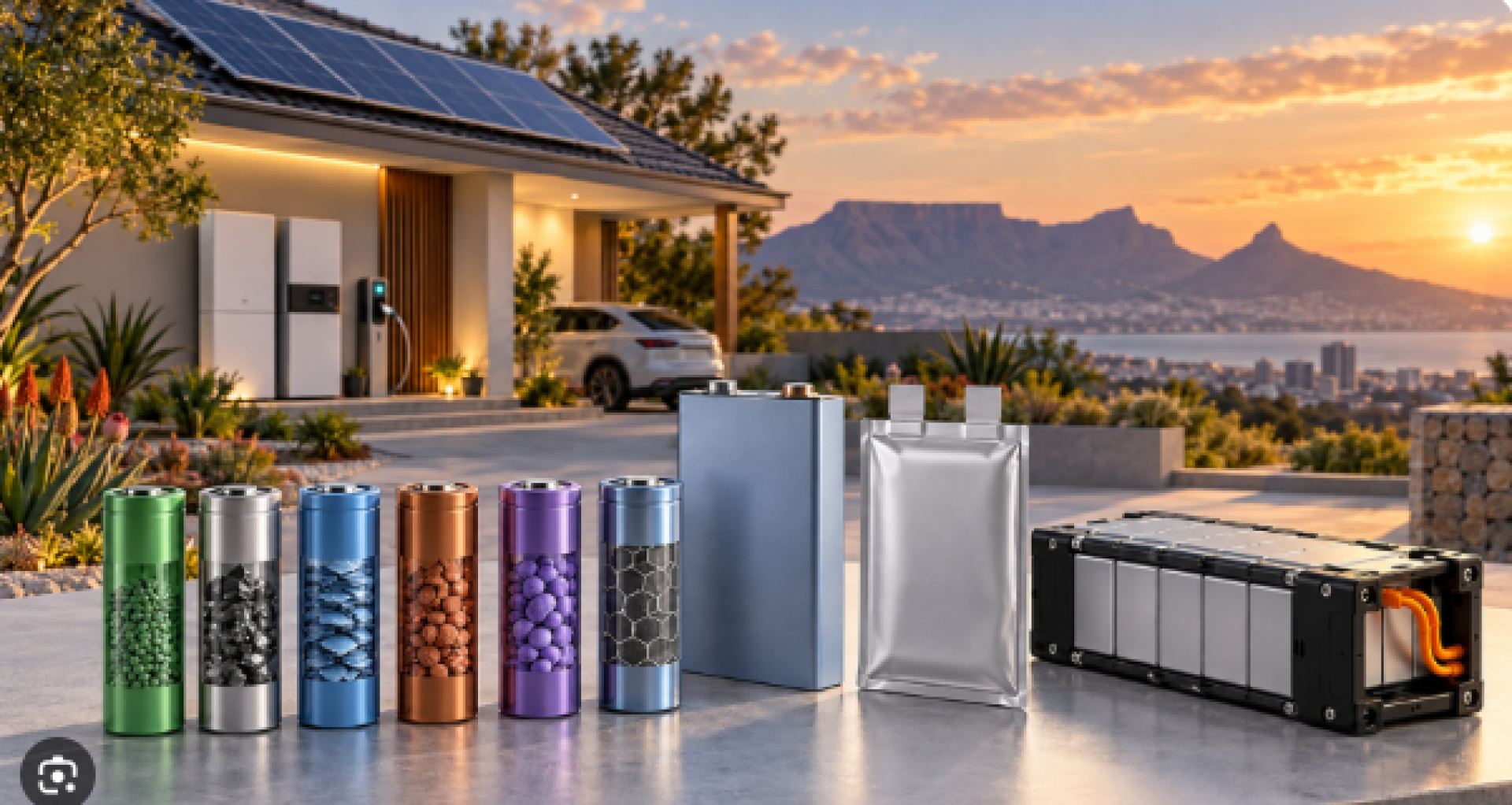
Lithium-ion (Li-ion) Rechargeable Battery Types
Button Cells
Also known as coin cells, button cells get their name because their round, small design resembles that of a coin or button. They are enclosed in a metal case (can) and available in standard sizes typically based on their diameter and thickness. For example, a CR2032 cell is 20mm in diameter and 3.2mm in thickness. Button cells are usually primary (non-rechargeable) cells, used in applications and devices that require a compact-sized battery. These types of cells tend to provide power for back up memory in devices that do not need a lot of capacity. The button cell’s diminutive size makes it ideal for small portable devices or wearable consumer and medical devices such as watches, hearing aids, medical wearable implants, laser pointers, and remote starters.
Prismatic Cells
Prismatic cells came out in the early 1990s. These cells are packaged in a hard, welded aluminum or steel casing “metal can”. Its exterior is robust, yet satisfies the need for a thin cell. There are only a few standard sizes available on the market and are named based on their thickness, width, and length. For example, a standard 103450 is 10mm thick, 34mm wide, and 50mm long. The low-profile design of the prismatic cell improves volume utilization inside the battery pack, but this cell type can be expensive to manufacture. These cells are also less efficient in thermal management, have shorter cycle life than cylindrical cells and may exhibit swelling. Today, Li-prismatic cells are commonly found in thin profile, handheld devices like phones, tablets, and laptops but are also available in larger formats for applications such as electric vehicles/buses and hybrids.
Polymer Cells
Polymer, or pouch cells, entered the battery industry around 1995. They are like the prismatic cell, but do not have a hard, exterior casing. These cells are sealed in a foil pouch (laminate) and their electrolyte flexibility makes it easy to manufacture thin profile sizes in different custom shapes, cuts, and curves. Pouch cells have the highest packaging efficiency and great energy density, but tend to swell and therefore are more vulnerable to penetration. Normal size Li-polymer cells are commonly found in thin profile handheld devices like mobile phones, modern tablets, and thin laptops. They are also popular in portable applications requiring high load currents, such as drones and hobby gadgets. Curved polymer cells tend to be used in wearable consumer and medical devices, whereas the large format polymer cells are used in Energy Storage System (ESS) applications and electric and hybrid vehicles.
Cylindrical Cells
When one thinks of a battery, the first thing that may come to mind are cylindrical-shaped cells, like a AA battery. The cylindrical cell is the most commonly used form for all types of cells, primary (non-rechargeable) and secondary (rechargeable), across various chemistries like Lithium-ion (Li-ion)opens in a new tab, and even some Lead Acid systems. These cells are enclosed in a metal can and are named based on their diameter and length. For Li-ion rechargeable batteries, the most common sizes are the 18650 (18mm diameter, 65mm length), the 26650 (26mm diameter, 65mm length), and the 21700 (21mm diameter, 70mm length).
Cylinders are symmetrical, have a robust mechanical form, and can be efficiently packed. This shape helps minimize stress and internal pressure concentration. When assembled in a battery pack, Li-ion cylindrical cells have a higher energy density than flat Li-ion cells. The cylindrical cell is extremely versatile and the preferred choice for multi-cell configurations commonly used in applications such as medical, military, consumer, industrial, EV and more.
Published by:
"Li-ion Battery 101blog series" by Inventus Power

